


As skin ages, its needs change. One of the most common skincare questions people search for online is how to choose the best moisturiser for mature skin (or as we call it, "skin that has lived"). While the beauty industry offers thousands of products promising dramatic results, understanding how ageing skin works can help explain which ingredients truly make a difference.
Mature skin typically becomes drier, thinner and less resilient over time. This happens because the skin gradually produces fewer natural oils and the structural proteins that maintain firmness decline. As a result, hydration, barrier support and antioxidant protection become increasingly important.
A well-formulated moisturiser can help address these changes by restoring moisture, reinforcing the skin barrier and protecting the skin from environmental stress.
Why Mature Skin Becomes Dry
One of the defining characteristics of ageing skin is a decline in natural lipid production. The outermost layer of the skin, known as the stratum corneum, relies on a complex mixture of lipids to retain moisture and protect against environmental damage.
As we age, several processes occur:
- sebum production decreases
- the skin barrier becomes less effective
- collagen production slows
- natural hydration molecules decline
These changes mean that skin loses water more easily. Dermatologists refer to this process as transepidermal water loss, and it is a major reason why mature skin often feels dry or tight.
For this reason, many dermatologists recommend using richer face moisturisers that combine humectants and nourishing oils.
The Ingredients That Help Mature Skin
The best moisturiser for mature skin usually contains several types of ingredients that work together to support skin health.
Humectants
Humectants are ingredients that attract water into the skin.
Common humectants include:
Glycerin is one of the most widely studied moisturising ingredients. Research has shown that glycerin significantly improves skin hydration and supports recovery of the skin barrier (Fluhr et al., 2008).
Hyaluronic acid is another important humectant that naturally occurs in the skin. It can bind large amounts of water and helps maintain skin elasticity and smoothness.
These ingredients are commonly found in facial moisturisers and hydrating serums because they help replenish moisture in the outer layers of the skin.
Botanical Oils
While humectants attract water into the skin, oils help seal that moisture in. For mature skin, botanical oils can be particularly beneficial because they supply essential fatty acids that support the skin barrier.
Examples include:
- argan oil
- rosehip oil
- marula oil
- avocado oil
- jojoba oil
These oils are widely used in anti ageing skincare products because they help restore softness and improve skin resilience.
Argan oil, for example, has been shown to improve skin elasticity and hydration in human studies (Boucetta et al., 2015). Rosehip oil contains essential fatty acids and antioxidants that support skin repair and improve the appearance of ageing skin.
Antioxidants
Another important category of ingredients for mature skin is antioxidants.
Environmental factors such as UV exposure and pollution generate free radicals that can damage skin cells and accelerate visible ageing.
Antioxidants help neutralise these molecules and protect the skin.
Common antioxidant ingredients include:
- vitamin E
- coenzyme Q10
- plant polyphenols
These ingredients are often incorporated into moisturisers and serums to help support the skin’s natural defence systems.
The Role of Oils in Mature Skin Care
One reason oils work so well for mature skin is that they help replenish lipids that decline with age.
The skin barrier relies on lipids to maintain hydration and protect against external irritants. When these lipids become depleted, the skin becomes more vulnerable to dryness and sensitivity.
Plant oils contain fatty acids that are structurally similar to those found in the skin barrier. When applied topically, these oils can help reinforce the lipid matrix and reduce moisture loss.
This is why many dermatologists recommend combining a facial moisturizer with a botanical oil for additional nourishment.
Choosing the Best Moisturiser for Mature Skin
When selecting the best moisturiser for mature skin, it is helpful to look for products that include several key elements:
Hydration
Look for humectants such as glycerin or hyaluronic acid that help attract moisture to the skin.
Lipid support
Botanical oils rich in fatty acids help reinforce the skin barrier and prevent moisture loss.
Antioxidant protection
Ingredients such as vitamin E and plant extracts help protect skin from environmental damage.
Skin renewal support
Ingredients that encourage healthy skin renewal can help improve texture and radiance.
A Simple Skincare Routine for Mature Skin
Many people assume that caring for ageing skin requires complicated routines. In reality, a simple routine often works best.
A typical routine might include:
- Gentle cleanser for the face
- Hydrating skin serum
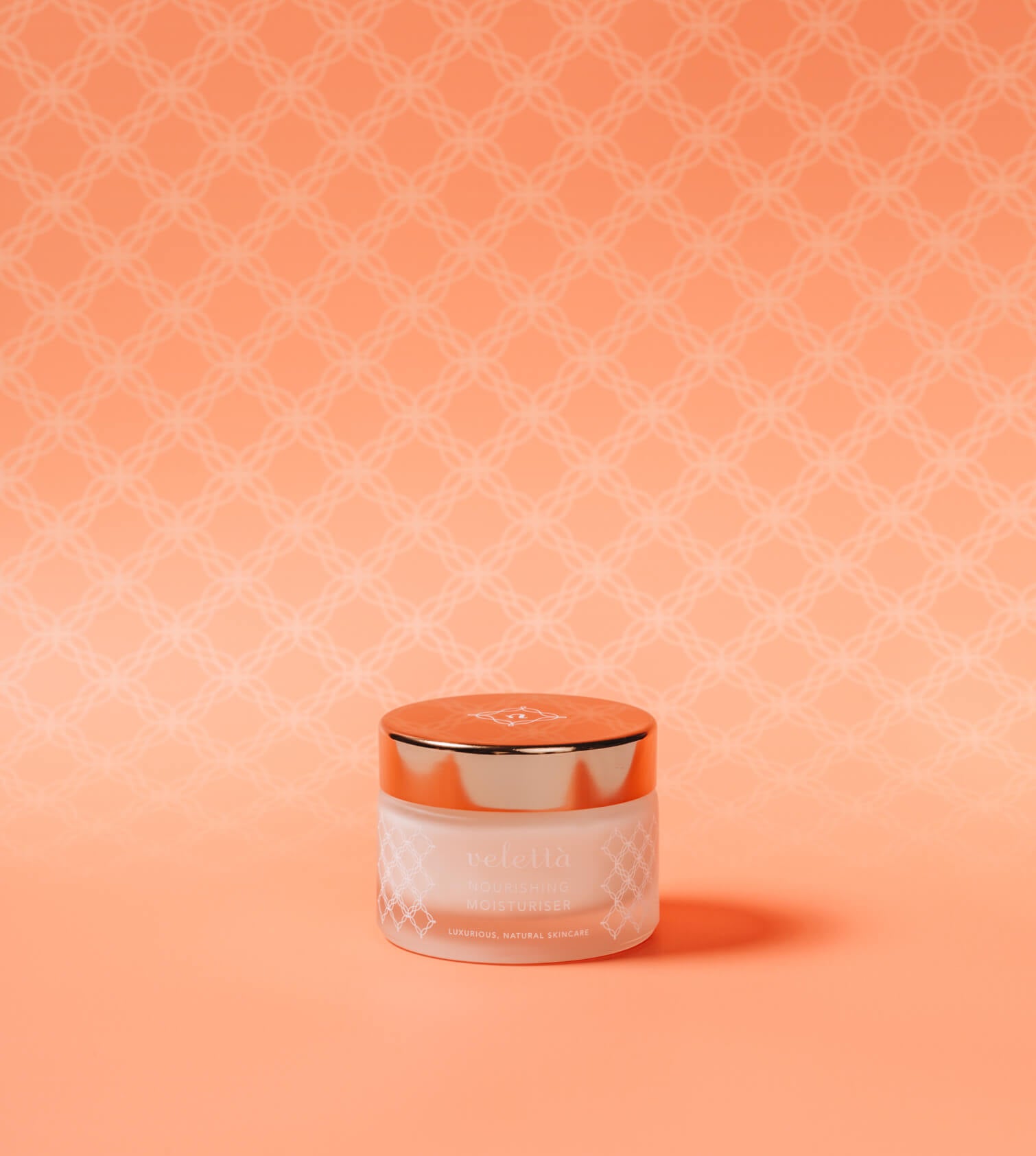
- Nourishing moisturiser
- Sunscreen during the day
Adding a botanical facial oil in the evening can provide additional lipid support and help improve overnight hydration.
Why Hydration Is the Foundation of Healthy Skin
Hydration is often overlooked in discussions about ageing skin. However, maintaining adequate moisture levels can significantly improve the appearance of fine lines and skin texture.
When skin is properly hydrated, it appears:
- smoother
- plumper
- more radiant
For this reason, many modern anti ageing routines focus heavily on hydration and barrier repair rather than aggressive treatments.
Final Thoughts
Choosing the best moisturiser for mature skin involves understanding the biological changes that occur as skin ages.
The most effective moisturisers typically combine:
- humectants that attract water
- botanical oils that reinforce the skin barrier
- antioxidants that protect against environmental damage
When these ingredients are combined in a well-formulated product, they can help maintain skin hydration, softness and resilience over time.
Healthy skin is not about reversing ageing overnight. Instead, it is about supporting the skin’s natural processes so it can function at its best.