


Breakouts are often thought of as a teenage concern, yet many women continue to experience acne well into their 30s, 40s and beyond. For some, breakouts persist from earlier years. For others, they appear for the first time during perimenopause or menopause. Understanding why adult acne happens, and how to manage it without compromising skin health, is key to maintaining clear, resilient skin as we age.
Why Women Over 35 Still Get Acne
Adult acne in women is rarely caused by a single factor. Instead, it tends to reflect a combination of hormonal shifts, changes in skin structure, lifestyle stress and barrier disruption.
Hormonal Changes and Acne
Hormonal fluctuations are one of the most significant drivers of breakouts in women over 35. As oestrogen levels decline during perimenopause and menopause, androgen hormones can become more dominant. This hormonal imbalance often leads to increased sebum production, particularly around the chin, jawline and lower face.
Excess oil can mix with dead skin cells and bacteria, clogging pores and triggering inflammation. At the same time, ageing skin sheds cells more slowly, which further increases the risk of congestion.
Skincare for Breakout-Prone Ageing Skin
Treating acne in mature skin requires a careful balance. Overly aggressive routines may reduce breakouts short term but often worsen sensitivity, dryness and barrier damage over time.
Gentle Cleansing and Thoughtful Exfoliation
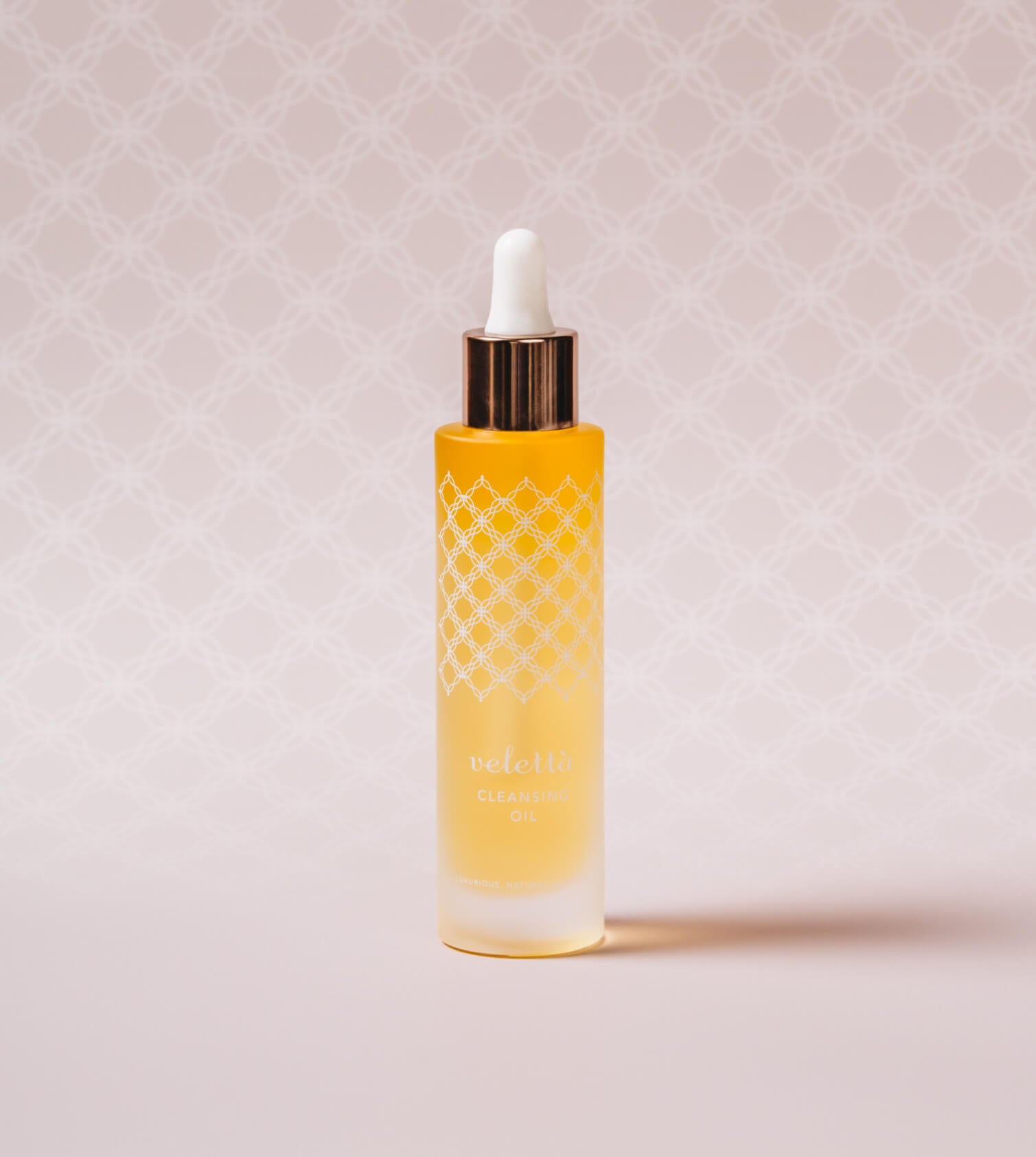
A consistent, gentle skincare routine is essential. Cleansing should remove impurities without stripping the skin of its natural lipids. Over-cleansing or using harsh foaming products can trigger more oil production and inflammation.
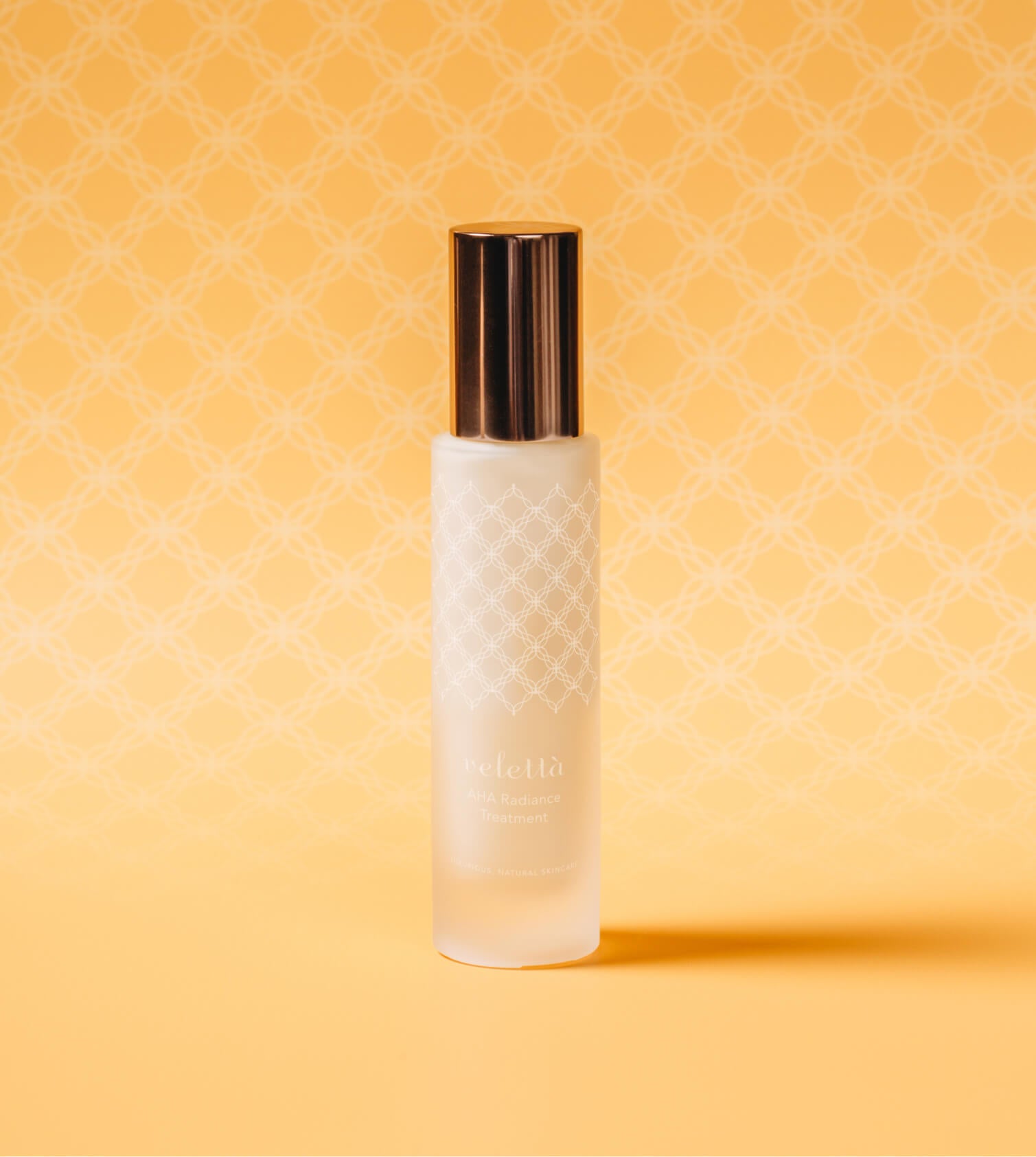
Exfoliation can be helpful, but moderation is critical. Ingredients such as salicylic acid and glycolic or lactic acid help unclog pores and improve cell turnover when used sparingly. Products like the Velettà Youthful Glow AHA Radiance Treatment support exfoliation while respecting the skin barrier, making them better suited to mature, breakout-prone skin.
Why Moisturising Matters Even If You Break Out
One of the most common mistakes women make when dealing with acne is skipping moisturiser. Dehydrated skin often produces more oil in an attempt to compensate, which can worsen breakouts.
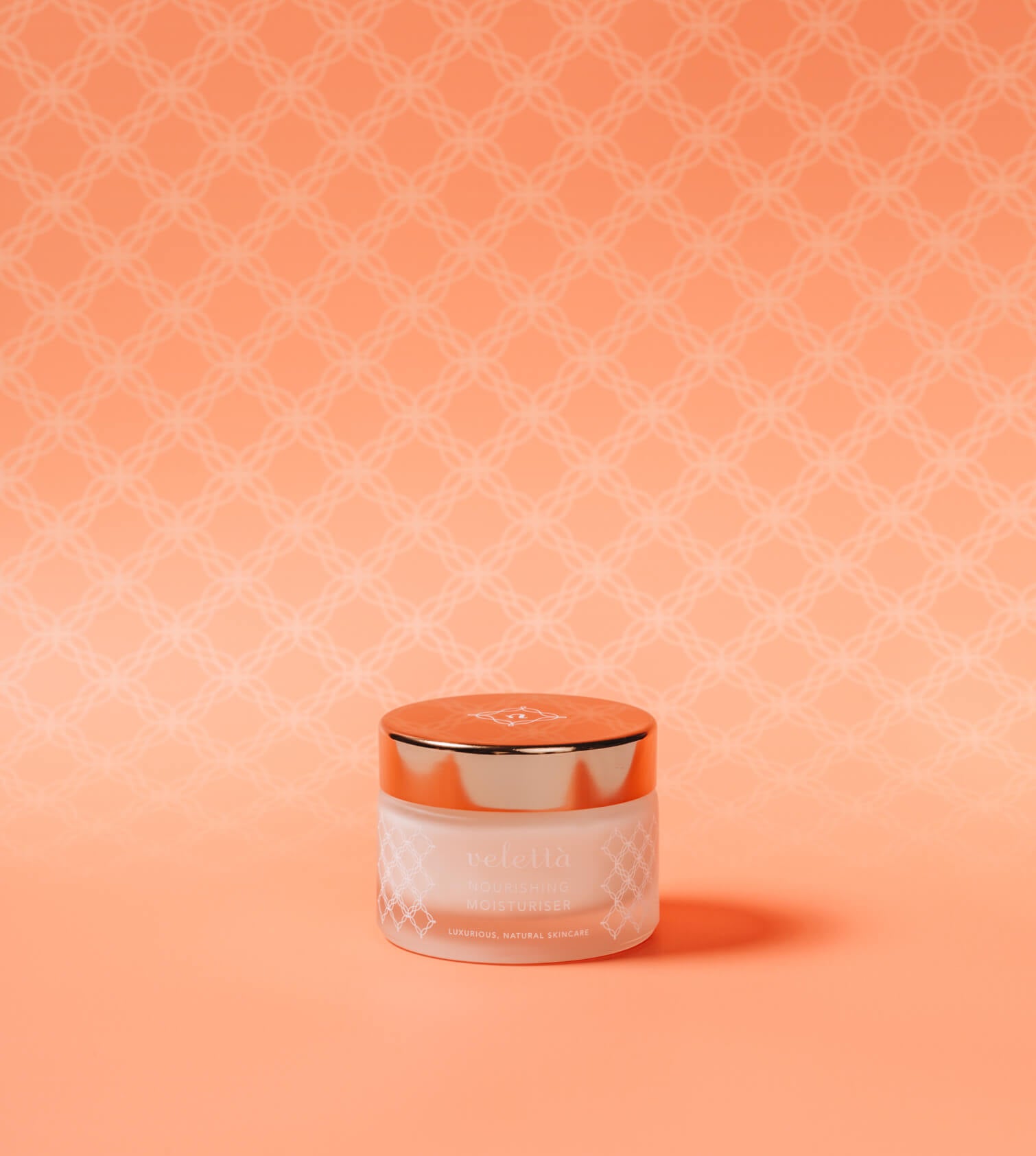
A lightweight, non-comedogenic moisturiser helps maintain hydration, supports the skin barrier and reduces inflammation. Velettà’s Nourishing Moisturiser is designed to hydrate without heaviness, making it well suited to skin that is both breakout-prone and experiencing age-related dryness.
Daily sunscreen is also essential. Sun damage can worsen post-acne pigmentation, slow healing and compromise the skin barrier, making breakouts harder to manage long term.
Professional Support and Hormonal Treatments
For persistent or severe adult acne, consulting a dermatologist is highly recommended. A professional can assess whether topical treatments, oral medications or hormonal therapies are appropriate.
Options may include retinoids, antibiotics or hormone-regulating treatments such as oral contraceptives or hormone replacement therapy. These interventions can be effective, but they work best when combined with a barrier-supportive skincare routine rather than aggressive product use.
Lifestyle Factors That Influence Adult Acne
Skin reflects what’s happening internally. Lifestyle choices can play a meaningful role in managing breakouts at this stage of life.
A diet rich in whole foods, vegetables and healthy fats supports skin health, while excessive processed foods and dairy may exacerbate acne in some women. Regular movement improves circulation, stress management helps regulate cortisol, and adequate sleep supports hormonal balance and skin repair.
A Smarter Approach to Breakouts After 35
Managing acne in women over 35 is not about fighting the skin. It’s about understanding how hormonal changes, ageing and barrier function intersect, and responding with care rather than aggression.
With a balanced skincare routine, professional guidance when needed, and supportive lifestyle choices, it’s entirely possible to reduce breakouts while maintaining healthy, luminous skin. Clear skin at this stage of life comes from consistency, restraint and respect for skin that has lived.